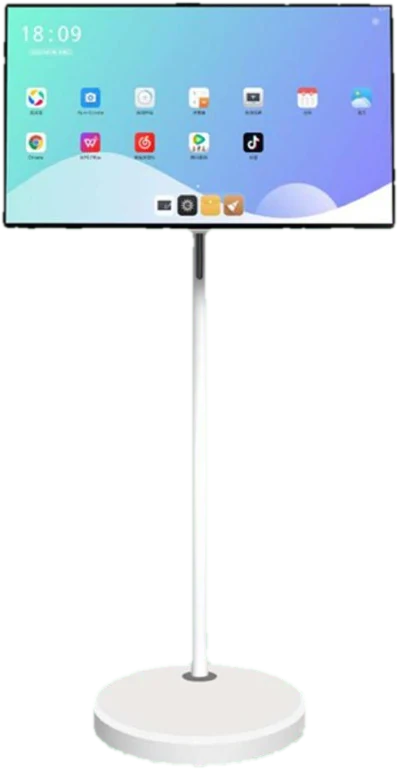
Buying a smart board is the easy part. The real result comes from teachers using it with confidence, lesson after lesson. Most hesitation is reasonable: teachers are busy, they worry about breaking something and they do not want to look unprepared in front of a class.
Start with one routine
Do not ask staff to learn everything. Pick one routine, such as taking the register, opening the lesson slides or writing worked examples on the board, and make that smooth first. Confidence grows from small wins.
Train on real lessons
Hands-on training using the teacher's own next lesson is far more useful than a general tour of features. People remember what they have just used for a real purpose.
Find your champions
In every school there are one or two teachers who enjoy new tools. Let them try the system first and share what works. Colleagues are more likely to listen to a peer than to a manual.
A simple four-week rollout
- Week 1: installation, a walkthrough for every teacher and one routine each.
- Week 2: teachers plan and run one full lesson using the board.
- Week 3: share what worked in a short staff session.
- Week 4: review, fix pain points and agree what to add next.
Keep support close
People try new things when they know help is a message away. Choose a supplier that provides training and ongoing support, not just hardware, so your staff are never left on their own.